Source eco friendly folding clothes pegs for Home, Tops, Underwear
Compare 30 listings of eco friendly folding clothes pegs from verified Chinese suppliers. Buyers can review detailed specifications, material options like wood and plastic, packing configurations, and customization availability for home, tops, and underwear applications; compare the available evidence and request quotations based on your requirements.
Key considerations
Products List




Comprehensive Sourcing Guide
Eco Friendly Folding Clothes Pegs Sourcing Guide
Sourcing eco-friendly folding clothes pegs requires a nuanced understanding of material composition, as the term "eco-friendly" often overlaps with traditional wooden or modern plastic alternatives. Buyers must distinguish between products made from sustainably sourced wood and those utilizing recycled or biodegradable plastics. The observed market data indicates a diverse range of materials, including both wooden and plastic variants, which significantly impacts the environmental profile and end-use suitability of the final product.
Procurement teams should prioritize suppliers who provide transparent material certifications, such as FSC for wood or specific recycled content percentages for plastics. The presence of customization options suggests that buyers can tailor the aesthetic and functional aspects of the pegs to match brand identity. However, verifying the actual environmental claims is critical, as many listings may use "eco-friendly" as a marketing term without substantive backing from recognized environmental standards or lifecycle assessments.
Product Scope and Observed Listing Signals
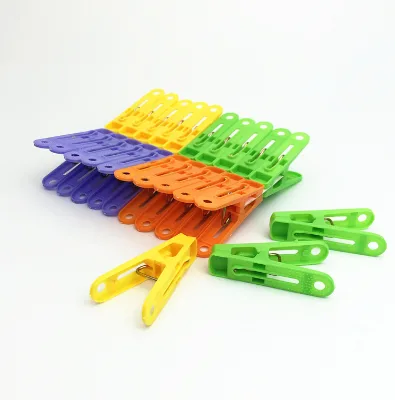
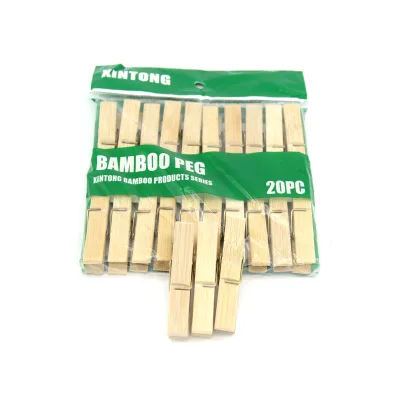
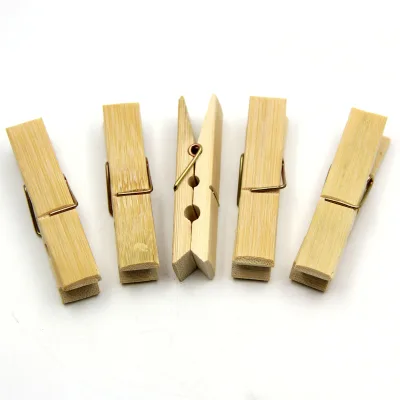
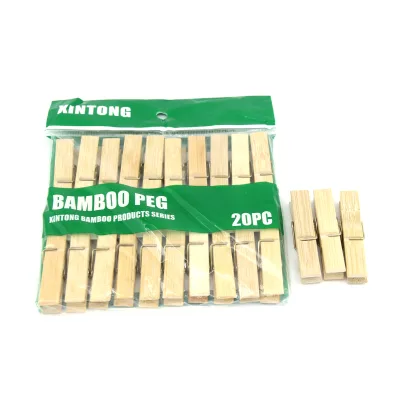
The current market landscape for clothes pegs reveals a wide variety of models, ranging from standard wooden clips to multifunctional plastic designs. Observed product models include WCP90, WCP-72-3, BCP72, and CP1005, each with distinct dimensions and packing configurations. These variations indicate that buyers can source pegs for specific applications, from general household use to specialized storage needs, with standard sizes like 9cm and 7.2cm being prevalent in the listings.
Packing structures vary significantly, with options such as 24PCS*100bags/CTN or simple carton packaging, reflecting different logistical requirements for bulk versus retail distribution. The observed price range of $0.04 to $19 USD suggests a broad spectrum of quality and material costs, while MOQs ranging from 1 to 15,000 units cater to both small businesses and large-scale industrial buyers. This diversity allows for flexible sourcing strategies but requires careful evaluation of unit economics and inventory management capabilities.
Technical Specifications to Verify
Technical verification should begin with material integrity, as products are listed as either wooden or plastic, each with distinct durability and environmental implications. Wooden pegs often require treatment for moisture resistance, while plastic variants may utilize injection molding techniques, as seen in models like CP1005. Buyers must confirm the specific thickness and dimensions, such as the 0.97.2cm or 1.08.5cm standards observed, to ensure compatibility with existing laundry or storage systems.
Functional characteristics, such as the presence or absence of a trouser press feature, are critical differentiators for specialized use cases. Models like DU90003 are noted for being non-trouser press, while others offer multifunctional capabilities. Additionally, the weight of individual units, such as the 23G specification for certain plastic clips, impacts shipping costs and user experience. Verifying these technical details ensures that the selected pegs meet both functional performance and logistical efficiency requirements.
Compliance and Safety Documentation
Compliance with international safety standards is paramount, particularly for products intended for household use or contact with textiles. While specific certifications like ISO 8124, REACH, and ISO 9001 are mentioned in background data, buyers must verify the current validity and scope of these certifications for each supplier. These standards ensure that materials are free from harmful substances and that manufacturing processes adhere to quality management principles.
Documentation should also include material safety data sheets (MSDS) and declarations of conformity, especially for plastic components that may contain additives or colorants. For wooden products, verification of treatment processes against formaldehyde or other chemical emissions is essential. Buyers should request recent test reports from accredited laboratories to confirm that the products meet the regulatory requirements of their target markets, ensuring legal compliance and consumer safety.
Cost Drivers and Commercial Terms
Cost structures are influenced by material selection, production volume, and packaging complexity. Wooden pegs may incur higher costs due to sourcing and treatment processes, while plastic options benefit from economies of scale in injection molding. The observed FOB port of Ningbo and delivery times of 30-50 days are key commercial terms that affect cash flow and inventory planning. Buyers should negotiate clear terms regarding price breaks at different MOQ levels, such as the 1000 sets threshold noted for some plastic models.
Packaging choices, ranging from OPP bags to bulk cartons, directly impact unit costs and shipping efficiency. Customization options, including color and branding, may introduce additional setup fees or minimum order requirements. It is crucial to clarify whether prices include tooling costs for custom designs and to understand the payment terms associated with large orders. Transparent communication about these commercial variables helps in accurate budgeting and avoids unexpected expenses during the procurement process.
Supplier Qualification and Quality Control
Supplier qualification should focus on manufacturing capabilities and quality assurance systems. Buyers must assess whether suppliers have in-house molding or woodworking facilities, as this affects consistency and lead times. The observed origins in Anhui and Zhejiang provinces indicate established manufacturing hubs, but on-site audits or third-party inspections are recommended to verify production capacity and quality control protocols.
Quality control measures should include random sampling and stress testing to ensure the durability of the clips, particularly for folding mechanisms. Suppliers should provide clear defect rate guarantees and return policies for non-conforming goods. Establishing a robust quality agreement that defines acceptable tolerance levels for dimensions and finish is essential. Regular communication and periodic audits help maintain product standards and build a reliable supply chain partnership.
Long-Term Procurement Checks
Long-term procurement success depends on continuous monitoring of supplier performance and market trends. Buyers should track changes in material costs, regulatory updates, and sustainability certifications to ensure ongoing compliance and competitiveness. Building a diversified supplier base can mitigate risks associated with single-source dependencies, especially for specialized models like the multifunctional or trouser-press variants.
Regular review of product feedback and usage data can inform future sourcing decisions, helping to refine specifications and improve product selection. Engaging with suppliers on innovation, such as new eco-friendly materials or improved designs, can provide a competitive edge. Maintaining open lines of communication and fostering collaborative relationships ensures that procurement strategies remain aligned with evolving business needs and environmental goals.
FAQs
What materials are used for eco friendly folding clothes pegs?
These pegs are primarily made from wood or plastic. Wooden options originate from Anhui, China, while plastic variants are produced in Zhejiang. Both materials support customization and are suitable for home use on various garments like tops and trousers.
Which specifications are available for these clothes pegs?
Available specifications include sizes like 9cm, 7.2cm, 6cm, and 3.0cm. Some models feature dimensions such as 0.9*7.2cm or 1.2*9.8cm. The product models range from WCP90 to BCP72, offering standard and simple styles for different storage needs.
Can I request customized colors for these clothes pegs?
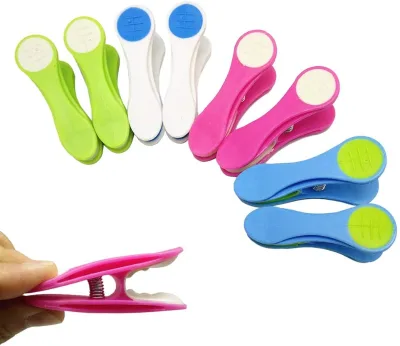
Yes, customized colors are available for plastic clothes clips. Suppliers offer all color options or specific customized requests. This flexibility allows buyers to match branding or personal preferences while maintaining the functional design required for neatening and storage applications.
What is the typical lead time for delivery?
The delivery time typically ranges from 30 to 50 days. This timeline applies to orders placed with manufacturers in China. Buyers should plan their procurement schedule accordingly to ensure timely receipt of goods for home or commercial usage occasions.
How are these pegs packed for shipment?
Pegs are packed in cartons with specific quantities like 24 pieces per 100 bags or 12 pieces per 50 bags. Some items use OPP bags inside cartons. Packaging varies by model, ensuring safe transport while maintaining the integrity of the wooden or plastic clips.
What is the minimum order quantity for these pegs?
Minimum order quantities vary significantly, ranging from 1 to 15000 units depending on the supplier. Specific models like CP1004 may require 1000 sets. Buyers can negotiate based on their volume needs while considering the specific product model and material type selected.
Are these pegs suitable for use on trousers?
Yes, they are suitable for trousers, though some specific models are designed without trouser presses. Multifunctional styles with trouser presses are also available. These clips are versatile for use on tops, underwear, and trousers, providing secure holding for various fabric types.